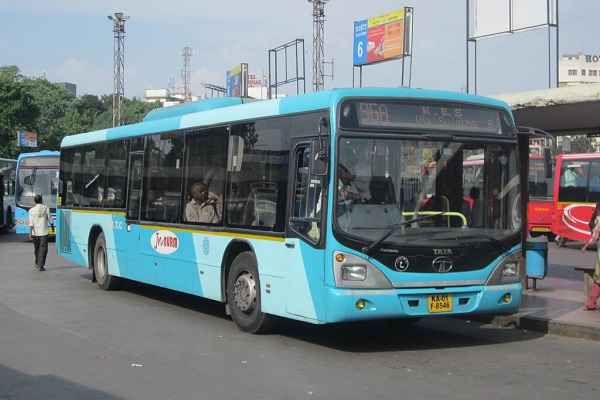
While cities often benefit from well-developed public transport systems, rural and remote areas continue to face major transportation challenges. In many regions, a charter bus are quietly stepping in to fill the gap—providing essential connectivity for residents who lack access to trains, airports, or even regular bus services. These services aren’t just about convenience; they can be lifelines that support economic activity, healthcare access, and social mobility in communities where public infrastructure falls short.
Across the UK and many other countries, rural populations are growing increasingly isolated due to the decline in local bus routes and train connections. Budget cuts, low passenger numbers, and aging infrastructure have led to a steady withdrawal of public services. For people without cars—especially the elderly, students, and low-income households—this can severely restrict their access to work, education, medical care, and even grocery shopping.
Unlike fixed-route public transport, charter buses offer flexibility in scheduling, pickup points, and destinations. Community organizations, local councils, and private groups can contract charter services for a variety of purposes, from hospital visits to town centre shopping trips and day excursions for senior citizens.
These services are not only tailored to local needs, but they also allow for cost-sharing among passengers or institutions, making them more financially sustainable. Charter buses can be scaled up or down depending on demand, and routes can be adapted quickly based on seasonal changes, school terms, or community events.
By enabling movement between rural and urban centres, charter buses help sustain rural economies. Small businesses in villages depend on accessible transport for both employees and customers. Agricultural workers often rely on shared transport to reach jobs scattered across remote locations. Tour operators increasingly use charter services to bring urban dwellers into the countryside for walking tours, food festivals, and heritage visits, generating income for local communities.
One of the most critical roles charter buses play is in helping rural residents reach medical facilities. Hospitals and specialist care centres are often located in larger towns or cities. For patients needing regular treatments like dialysis or chemotherapy, a reliable and comfortable transport option is essential. Charter buses, particularly those with accessible features, are often used by healthcare providers and charities to ensure patients can travel safely and affordably.
Despite their value, charter buses are sometimes overlooked in policy discussions around rural transport. They may be perceived as luxury or one-off travel solutions rather than integral infrastructure. However, as demand for flexible, sustainable, and community-driven services increases, the role of charter buses deserves greater attention and investment.
Charter buses are doing more than transporting people from point A to B—they are actively bridging a widening rural transport divide. By offering adaptable, community-focused services, they help maintain the economic and social fabric of areas often left behind by conventional transport systems. With greater support and strategic integration into rural mobility plans, charter buses could play a central role in reconnecting underserved regions with opportunity and care.
About the Author