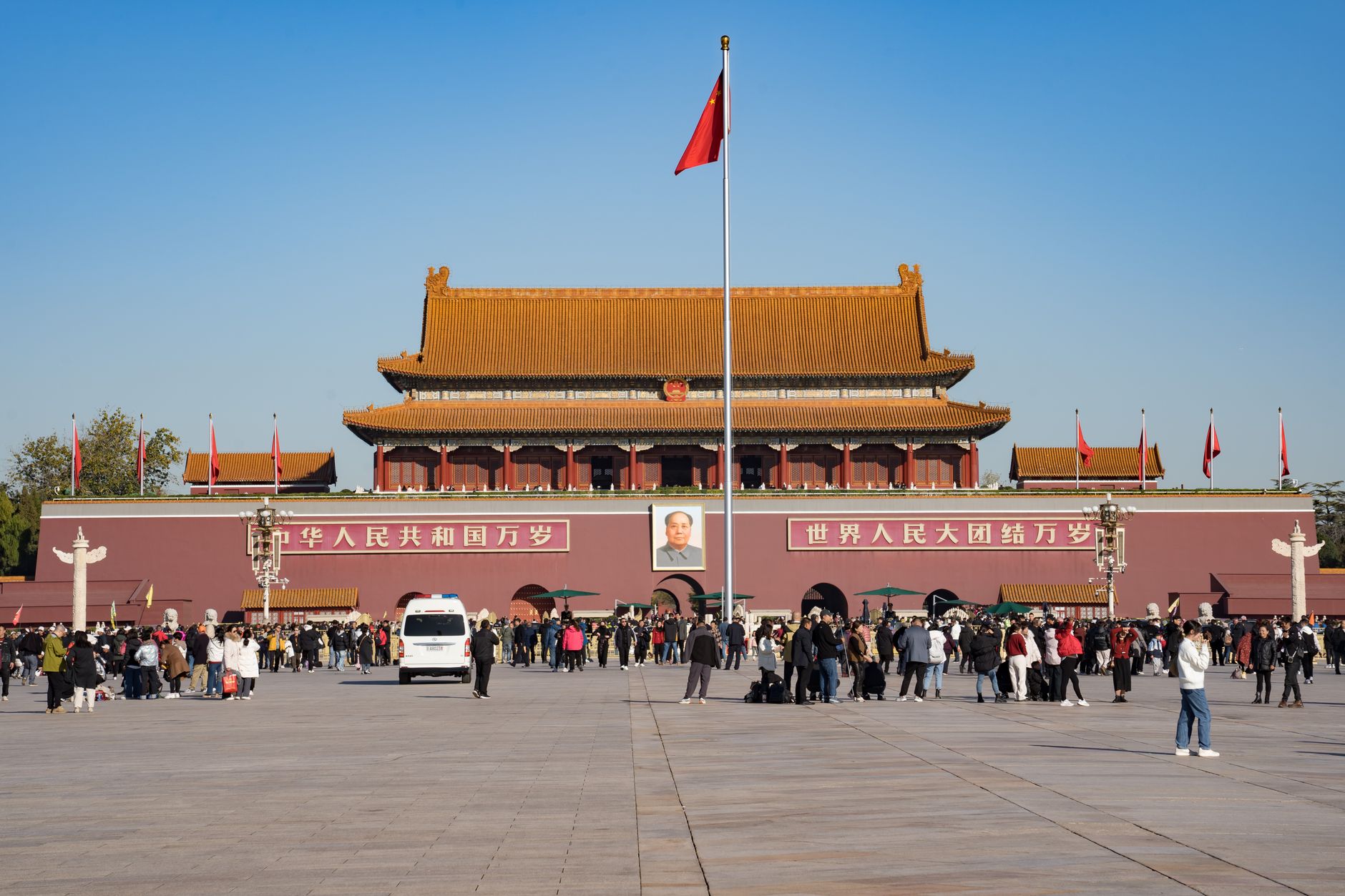
Ban on Chinese-made cars is being urged by major auto companies, highlighting concerns over competition and market fairness. This call for action has sparked debates across the industry.
Background on the Auto Industry
The global auto industry is currently facing significant challenges, with increasing competition and shifting consumer preferences. The recent call for a ban on Chinese-made cars has sparked intense debate among manufacturers and policymakers alike.
Historically, the auto industry has been marked by innovation and rapid technological advancement. However, the rise of Chinese car manufacturers has altered the landscape, leading to concerns over quality, safety, and economic impacts on domestic industries.
Key factors influencing this situation include:
- Market Share: Chinese automakers have been aggressively expanding their presence in international markets.
- Quality Concerns: Some critics argue that the quality of Chinese-made vehicles does not meet consumer expectations.
- Trade Policies: The evolving trade policies could further complicate the dynamics of the auto industry.
As discussions on the ban on Chinese-made cars continue, stakeholders are urging for a comprehensive approach to address these pressing issues.
Reasons Behind the Ban
The recent call for a ban on Chinese-made cars has sparked significant debate within the auto industry. Several key reasons have been cited to support this movement:
- National Security Concerns: Lawmakers are increasingly worried about the potential risks associated with foreign-made vehicles that may pose threats to data privacy and security.
- Trade Imbalances: The growing dominance of Chinese manufacturers in the auto sector raises alarms about unfair competition and the impact on local economies.
- Quality and Reliability Issues: Some consumers and experts argue that Chinese-made cars may not meet the same quality and safety standards as their domestic counterparts.
- Environmental Regulations: There are concerns about the environmental practices of Chinese manufacturers, which could undermine efforts to promote sustainable automotive technologies.
These factors collectively underscore the rationale behind the push for a ban on Chinese-made cars, as stakeholders advocate for a shift towards more locally sourced alternatives.
Impact on Consumers and Prices
The recent ban on Chinese-made cars is expected to have significant implications for consumers and the automotive market. As auto companies advocate for this prohibition, the ripple effects will likely impact both availability and pricing of vehicles across the board.
Many consumers may face higher prices as manufacturers seek to replace the lost supply from Chinese imports. With fewer options in the market, competition could decrease, leading to inflated costs for consumers looking to purchase new vehicles.
Additionally, the ban may push manufacturers to explore alternative markets and production facilities, which could result in a shift in quality and features offered in new cars.
As the industry navigates these changes, consumers will need to remain informed about their choices and be prepared for potential shifts in the automotive landscape.
Responses from Chinese Manufacturers
Chinese manufacturers have expressed strong opposition to the recent ban on Chinese-made cars, arguing that it could severely impact their market presence and growth opportunities. Industry leaders emphasize that this measure would not only harm their businesses but also lead to increased prices for consumers.
In response to the ban, several companies released statements highlighting the following concerns:
- Job Losses: A significant number of jobs in both the manufacturing and supply chain sectors may be at risk.
- Innovation Stifling: The ban could hinder technological advancements and competitive pricing that benefit consumers.
- Global Relations: The move may escalate trade tensions between countries, affecting diplomatic and economic relationships.
Manufacturers are urging government officials to reconsider the implications and seek alternatives that promote fair competition rather than exclusion.
Future of Auto Manufacturing
The future of auto manufacturing is poised for significant transformation in the wake of the proposed ban on Chinese-made cars. Industry experts predict a shift towards domestic production as countries seek to bolster their local economies and reduce reliance on foreign imports.
Several factors will influence this transition:
- Investment in Technology: Companies are likely to invest more in innovative technologies to enhance their manufacturing capabilities.
- Workforce Development: Training programs may emerge to equip local workers with necessary skills, ensuring that domestic production meets quality standards.
- Supply Chain Resilience: Automakers will focus on building robust supply chains to minimize disruptions and ensure efficiency.
As nations reconsider their automotive strategies, the implications of the ban on Chinese-made cars could lead to a more self-sufficient and competitive landscape in the global market.
Potential Legislative Actions
As discussions intensify around the ban on Chinese-made cars, lawmakers are considering potential legislative actions that could reshape the automotive landscape. Several proposals are being debated, focusing on various aspects of trade and national security. These include:
- Import Tariffs: Implementing higher tariffs on vehicles manufactured in China to discourage imports and support domestic production.
- Incentives for Local Manufacturing: Providing tax breaks and subsidies to companies that produce vehicles within the country, encouraging job creation and economic growth.
- Trade Agreements: Exploring new trade agreements that prioritize partnerships with countries outside of China, potentially diversifying the supply chain.
Lawmakers argue that these actions are necessary to protect national interests and stimulate local economies. However, critics warn that such measures could lead to retaliatory actions from China and might ultimately impact consumers negatively.
Global Reactions to the Ban
Global reactions to the ban on Chinese-made cars have been mixed, reflecting a complex interplay of economic and political factors.
- Support from Allies: Some Western countries have expressed support for the ban, viewing it as a necessary step to protect domestic industries and national security.
- Concerns from Economists: Economists warn that such protectionist measures could lead to increased prices for consumers and potential trade retaliation from China.
- Public Opinion: Surveys indicate that a significant portion of the public is divided on the issue, with many prioritizing job security over cost considerations.
- Chinese Government Reaction: In response, the Chinese government has criticized the ban, arguing that it undermines free trade and could hurt global automotive innovation.
As countries grapple with the implications of this ban, the automotive landscape may be on the brink of significant transformation.
Photo by YFS Visuals on Pexels
Where this came from
Related stories
- Railways reforms news: Best Proven Changes for Travelers
- zuca – Durable Zuca Rolling Bags for Travel and Training
- What to Expect from Medicare Advantage Plans 2026 Updates and Changes: A Data-Driven Outlook for Future Coverage Trends
About the Author